San Juan County Ferry Information
San Juan County is a community of islands connected by a marine highway system operated and maintained by Washington State Ferries (WSF). The largest ferry system in the United States, WSF is the lifeblood of San Juan County, providing transportation of people, goods and services to and between each of the major islands 365 days a year.
Because of the complexities involved in this service, San Juan County has developed this informational page to help assist residents and visitors by consolidating timely information, links to useful sites, FAQs, and opportunities for feedback into a single, user-friendly location.
We encourage you to bookmark this page on your digital device of choice so that you can readily access these resources when you need them.
-
Orcas Ferry Landing & Transportation Access Update
Share Orcas Ferry Landing & Transportation Access Update on Facebook Share Orcas Ferry Landing & Transportation Access Update on X (formerly Twitter) Share Orcas Ferry Landing & Transportation Access Update on Linkedin Email Orcas Ferry Landing & Transportation Access Update linkThe Port of Orcas has made great strides in advancing access to and from the ferry terminal and plans more enhancements in the future. Here’s a list of accomplishments and plans in the hopper:
EV Chargers
The Port has begun a project to install 40 Level 2 EV chargers around the island, including two at the Orcas Landing. 1 DC fast charger is currently located at the Port of Orcas/Airport. Funding for this project comes from the Department of Commerce.
Car Share Option
The previously existing car share program is expanding to include a 36-hr option, facilitating off-island errands and appointments. Those wishing to enroll in the program should contact Adrienne Long, Coordinator, Green CarShare 360-468-5260.
Access to Eastsound for Orcas Ferry Landing
The Port is applying for a WSDOT Regional Mobility grant to purchase and operate 3 EV Transit Vans as a shuttle from Eastsound to Orcas Ferry Landing and points throughout the island all coordinated with the Ferry schedule.
The Port of Orcas has made great strides in advancing access to and from the ferry terminal and plans more enhancements in the future. Here’s a list of accomplishments and plans in the hopper:
EV Chargers
The Port has begun a project to install 40 Level 2 EV chargers around the island, including two at the Orcas Landing. 1 DC fast charger is currently located at the Port of Orcas/Airport. Funding for this project comes from the Department of Commerce.
Car Share Option
The previously existing car share program is expanding to include a 36-hr option, facilitating off-island errands and appointments. Those wishing to enroll in the program should contact Adrienne Long, Coordinator, Green CarShare 360-468-5260.
Access to Eastsound for Orcas Ferry Landing
The Port is applying for a WSDOT Regional Mobility grant to purchase and operate 3 EV Transit Vans as a shuttle from Eastsound to Orcas Ferry Landing and points throughout the island all coordinated with the Ferry schedule.
-
August 2026 WSF Update on the Ticketing and Reservation Modernization (TRM) Project
Share August 2026 WSF Update on the Ticketing and Reservation Modernization (TRM) Project on Facebook Share August 2026 WSF Update on the Ticketing and Reservation Modernization (TRM) Project on X (formerly Twitter) Share August 2026 WSF Update on the Ticketing and Reservation Modernization (TRM) Project on Linkedin Email August 2026 WSF Update on the Ticketing and Reservation Modernization (TRM) Project link
Project Overview
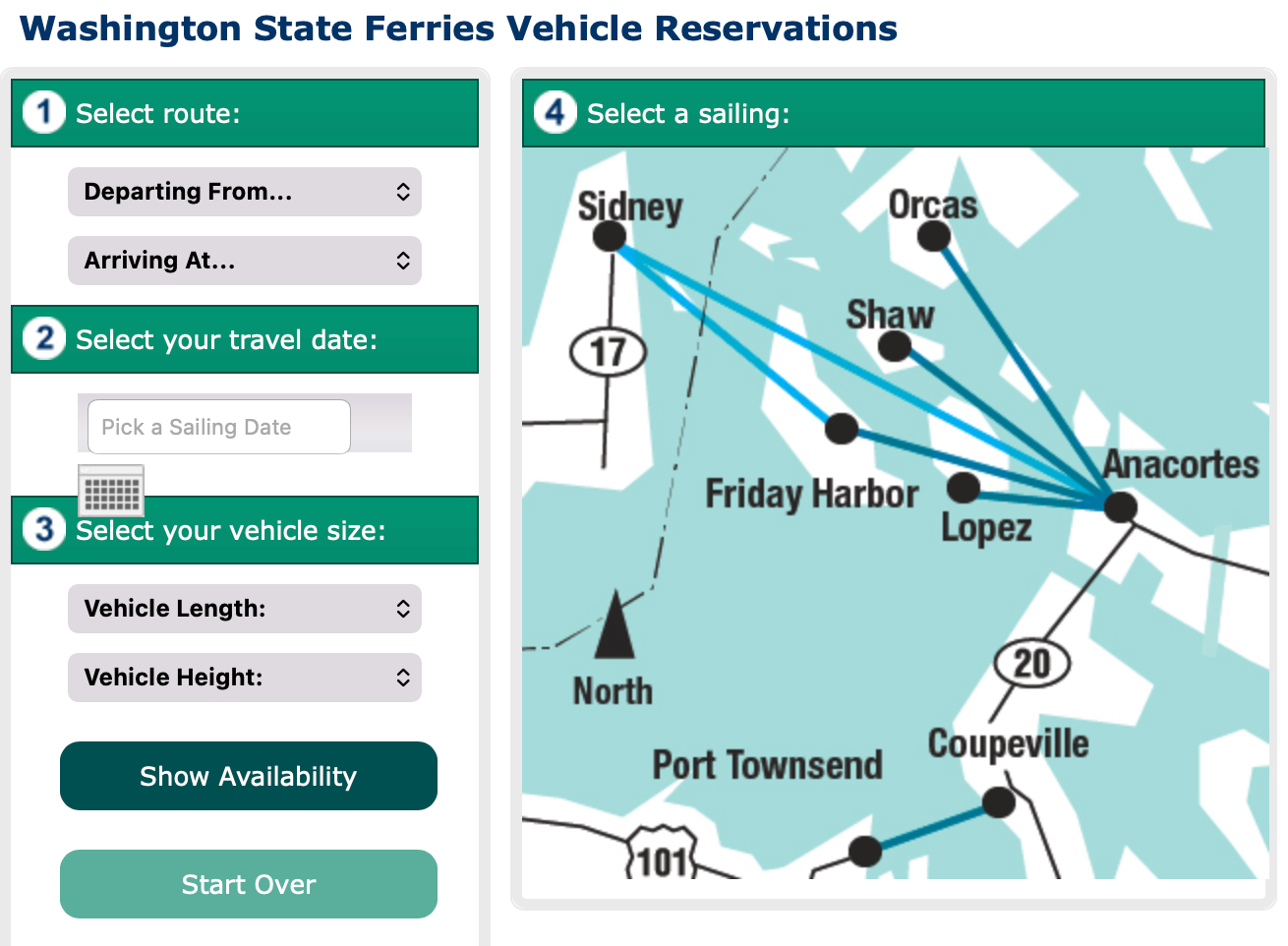
If you haven’t been introduced to this project yet, the purpose of the TRM project is to replace the online tools that WSF’s customers use to buy tickets and book vehicle reservations. WSF will also upgrade the technology and hardware that terminal employees and the customer service team use to sell and redeem tickets and manage vehicle reservations.
In March, WSF terminated the contract with a vendor they had been working with on the project due to ongoing challenges and delays. Since then, WSF has made changes to the project team, including onboarding a new project manager toContinue reading
Project Overview
If you haven’t been introduced to this project yet, the purpose of the TRM project is to replace the online tools that WSF’s customers use to buy tickets and book vehicle reservations. WSF will also upgrade the technology and hardware that terminal employees and the customer service team use to sell and redeem tickets and manage vehicle reservations.
In March, WSF terminated the contract with a vendor they had been working with on the project due to ongoing challenges and delays. Since then, WSF has made changes to the project team, including onboarding a new project manager to help guide the team through a reorganization of the project phases and priorities. They’ve also revised their communications and engagement plans with the intent of getting customer and employee input earlier in the process.
Customer Relationship Management
One of the biggest changes to the TRM project is the decision to acquire a Customer Relationship Management (CRM) platform as the first phase of the project. The CRM will provide a centralized platform for WSF’s teams to manage customer accounts, contact information and communication history.
WSF knows customers and employees are most excited about new ticketing and reservation systems. However, having a CRM platform in place first allows WSF to integrate the new systems into the CRM from the beginning.
Ticketing and Reservations
While the CRM is being built, WSF is also moving forward with planning the new ticketing and reservation systems. These systems will be designed to integrate with the CRM platform. Once complete, customers will be able to manage their communication preferences, tickets and reservations all in one place.
WSF plans to release a Request for Proposals (RFP) later this year with the intent of having the vendor onboard and ready to begin building during the summer of 2027. They’re also designing multiple ways to obtain customer input throughout the project. They anticipate the first rollouts of a new ticketing and reservation system in late 2027 or early 2028, but will continue to share updates as they know more specific details.
Future Communication
WSF will continue to provide updates as they reach key milestones and plan opportunities for community engagement.
-
Medical Preferential Loading Program Reminder and Accommodations for Medical Emergencies
Share Medical Preferential Loading Program Reminder and Accommodations for Medical Emergencies on Facebook Share Medical Preferential Loading Program Reminder and Accommodations for Medical Emergencies on X (formerly Twitter) Share Medical Preferential Loading Program Reminder and Accommodations for Medical Emergencies on Linkedin Email Medical Preferential Loading Program Reminder and Accommodations for Medical Emergencies linkMedical Preferential Loading Program
Users of Washington State Ferries who need reduced wait times and preferential access to a sailing for significant medical reasons, must work with their licensed healthcare provider to enroll in the medical preferential loading program online. This is in accordance with Washington State Law (WAC 468-300-700) and prioritizes vehicles with patients “where an extended wait on the dock would cause detrimental risks to their health.” If your medical condition puts you at risk, your healthcare provider will fill out the Medical Preferential Loading program application on the website (they should have the address). Healthcare providers needingContinue reading
Medical Preferential Loading Program
Users of Washington State Ferries who need reduced wait times and preferential access to a sailing for significant medical reasons, must work with their licensed healthcare provider to enroll in the medical preferential loading program online. This is in accordance with Washington State Law (WAC 468-300-700) and prioritizes vehicles with patients “where an extended wait on the dock would cause detrimental risks to their health.” If your medical condition puts you at risk, your healthcare provider will fill out the Medical Preferential Loading program application on the website (they should have the address). Healthcare providers needing assistance may contact Customer Service at 1 (888) 808-7977 or 1 (206) 464-6400.
Once the application is submitted online, an enrollment email will be sent to both the customer and healthcare provider. Once the application is approved, a copy will be emailed to both the customer and healthcare provider. Please arrive 30 minutes early to the terminal and bring a printed copy along with matching ID. Read the full list of rules and regulations here.
Accommodation for Medical Emergencies: “Follow Vehicle”
For patients in an ambulance or life flight/air evacuation, a family member’s vehicle is allowed preferential loading privileges to bring themselves and their vehicle to the hospital. State law allows one additional vehicle to accompany a qualifying emergency medical vehicle or authorized med-evac when going to, but not when returning from, an emergency. EMS personnel will call WSF’s operations center, who will relay that information to the terminal staff and allow for preferential loading of the follow vehicle.
-
Peak and Off-Peak Island–Mainland Service
Share Peak and Off-Peak Island–Mainland Service on Facebook Share Peak and Off-Peak Island–Mainland Service on X (formerly Twitter) Share Peak and Off-Peak Island–Mainland Service on Linkedin Email Peak and Off-Peak Island–Mainland Service linkYou may have noticed that the peak (summer) and off-peak schedules introduced in 2025 for Friday Harbor have an interesting, counter-intuitive, difference: there’s one less round trip between Friday Harbor and Anacortes in the summer than in the off-peak season. Why, you ask? That’s because the summer schedule prioritizes direct service between islands and the mainland. This means that the boat might come less often, but when it does, the whole boat is more likely to be fully allocated to one island, keeping overall capacity the same or enhanced. Having single-destination sailings also simplifies loading when there are many more riders who are unfamiliar with operations, which helps avoid loading delays. In contrast, the off-peak schedule relies on shared runs, which allows more frequent sailings. These new schedules were developed in 2024 with the input of a 25-member community task force and broad community engagement.
You may have noticed that the peak (summer) and off-peak schedules introduced in 2025 for Friday Harbor have an interesting, counter-intuitive, difference: there’s one less round trip between Friday Harbor and Anacortes in the summer than in the off-peak season. Why, you ask? That’s because the summer schedule prioritizes direct service between islands and the mainland. This means that the boat might come less often, but when it does, the whole boat is more likely to be fully allocated to one island, keeping overall capacity the same or enhanced. Having single-destination sailings also simplifies loading when there are many more riders who are unfamiliar with operations, which helps avoid loading delays. In contrast, the off-peak schedule relies on shared runs, which allows more frequent sailings. These new schedules were developed in 2024 with the input of a 25-member community task force and broad community engagement.
-
Did You Know? Vessel Size and Capacity
Share Did You Know? Vessel Size and Capacity on Facebook Share Did You Know? Vessel Size and Capacity on X (formerly Twitter) Share Did You Know? Vessel Size and Capacity on Linkedin Email Did You Know? Vessel Size and Capacity link
During our busy summer months, people often wonder why some of the larger boats from downsound aren’t redeployed up here to help with vehicle capacity. While WSF is well aware that the extra capacity up here would be really helpful, the downsound folks are also suffering from a lack of capacity even with the larger vessels. Turns out, we’re all in the same boat! On the positive side, the plan is to swap the Yakima (a 144-vehicle Super, rebuilt in 2000) out next spring and bring the Chimacum, which is a 144-vehicle Olympic rebuilt in 2017, so it should be more reliable, as well as having wider car deck lanes to accommodate a variety of vehicle sizes.
The overall fleet number is well below what planning says the system should have. WSDOT Deputy Secretary and head of WSF Steve Nevey’s August 20 newsletter message outlined some of the issues with the current fleet and its need for growth, saying the current “21 ferries aren’t enough. We need at least 24 to operate our current service.” Full "current service" would include the currently-suspended Sidney run. Most likely, the three new vessels being built (one has actually started construction) will replace retiring vessels. It will be up to the legislature to appropriate funding to support building more vessels to build up the fleet.
-
Notes from Spring 2026 WSF Community Meeting
Share Notes from Spring 2026 WSF Community Meeting on Facebook Share Notes from Spring 2026 WSF Community Meeting on X (formerly Twitter) Share Notes from Spring 2026 WSF Community Meeting on Linkedin Email Notes from Spring 2026 WSF Community Meeting link
These are notes from the Noon meeting.
For those that missed the live meetings, here are the recordings:
12 p.m. meeting
6 p.m. meetingOf the 80 participants, 38% were users of the San Juans route
Leadership Presentations
Steve Nevey, Deputy Secretary, Washington State Ferries:
- 75th Anniversary June 1, 2026, including a special flag on vessels as well as some give-aways, including free coffee or small popcorn with any purchase
-
Workforce Development2022–2026, including increasing the “licensed” employees:
- Deck crew: 656—>817
- Engineering crew: 370—>462
- Retirement risk reduced: from 53% to 40% for captains and from 34% to 23% forContinue reading
These are notes from the Noon meeting.
For those that missed the live meetings, here are the recordings:
12 p.m. meeting
6 p.m. meetingOf the 80 participants, 38% were users of the San Juans route
Leadership Presentations
Steve Nevey, Deputy Secretary, Washington State Ferries:
- 75th Anniversary June 1, 2026, including a special flag on vessels as well as some give-aways, including free coffee or small popcorn with any purchase
-
Workforce Development2022–2026, including increasing the “licensed” employees:
- Deck crew: 656—>817
- Engineering crew: 370—>462
- Retirement risk reduced: from 53% to 40% for captains and from 34% to 23% for engineers; target is 20%
- Crew-based cancellations are down and usually limited to one or two sailings rather than the whole day
Jenna Forty, External Relations, WSF:
-
Service Contingency Plan Update:
- With the limited fleet, it’s often a triage effort
- Set expectations
- 2026 Legislative session wins:
- $500K to study whether the state should build its own drydock
- $245K for warehouse and procurement staff
- $2M for rapid response maintenance team
- $19M to expand Eagle Harbor Maintenance Facility
- Add’l $1B requested by Ferguson for ferry maintenance and procurement was not provided by the legislature during the short 2026 session
Forrest Nichols, Director, Vessel Engineering & Maintenance: World Cup Service
- Additional staff around the system
- Limiting maintenance to one vessel at a time to keep more on the water
David Sowers, Electrification Program Administrator: Fleet Modernization Program and New Vessel Construction:
- WSF’s goal is to reduce emissions by 70% by 2040 and reach zero by 2050
- 11 vessels will be at or near end-of-life at 2040
- The global maritime industry is moving to hybrid and full electric
- Standard vessel timeline:
- Procurement: 1 yr
- Detailed Design 1 yr (nearing end of this for latest vessel)
- Construction 3 yrs
- Commissioning 1 yr
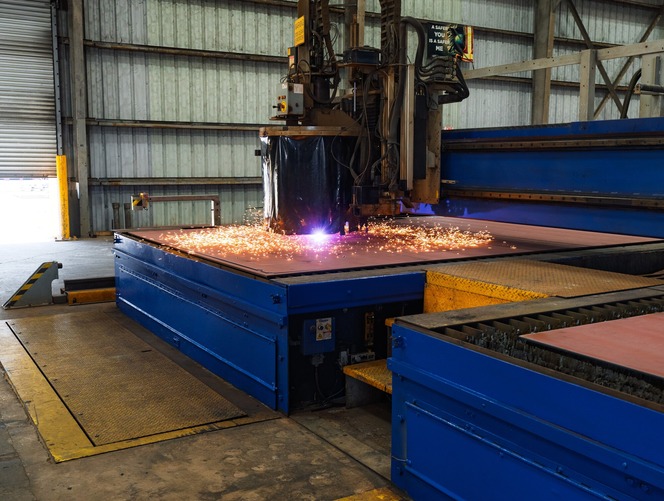
- Hope is that the first vessel’s steel will start being cut in August 2026 and delivery in 2030; incentives for early delivery
- Shore Power: first four terminals are south-Sound; in progress using a company with significant experience in this technology
Nichole MacIntosh, Director Terminal Engineering: Terminal Construction
- Eagle Harbor welding shop new building for improved efficiency and safety
- South-sound repairs and maintenance
- Upcoming: Replace significant vehicle and transfer span mechanical and electrical components for Anacortes, Orcas, Lopez with 48-hour full closures at Orcas and Lopez, with reduced slips at Anacortes; closure dates based on public input
John Vezina, Assistant Secretary, WSF:
- Updated Pet Policy starts July 1: passenger deck opposite the galley; cleanup stations for owners
-
Ticketing and Reservation Modernization Project: Vezina takes full ownership of the flawed procurement process
- Vezina made the decision to cancel
- Will release final costs and learnings
- Will restart the procurement process in the summer
- Never got to the point of testing with the public; will happen with folks in the SJs
-
WiFi: Working with T-Mobile and starting with a couple routes
- Pilot on the Chimacum and Bremerton terminal
Audience Q&A
Question: Divide the system into two parts SJs and rest?
Answer: Forty: would have to be a legislative decision and it would create expensive duplication.Q: Is there a way to better tailor the reservation system to better serve the residents, particularly for the SJs?
A: Vezina: staggered for non-commercial customers. Understand there are still challenges.Q: Differences in reservations vs first-come-first-serve?
A: Forty: Some in the SJs want to return to non-reserved. Many in the community, and especially commerce (food, etc.), need the demand management that reservations provide. Could consider reservations on other routes in the future if that makes sense.Q: Why can’t island residents have priority or reduced fares?
A: Vezina: legislators set the requirements for the budget and about 45% of the total budget is paid for by state taxpayers; every resident of the state needs to be treated equally.Q: Sidney Route update?
A: Nevey:- 2030 is still the goal
- Partnership with BC Ferries? Jones Act might interfere
- Vessel shortage is still the hangup
Q: “Safety of Life at Sea” (SOLAS) certification?
A: Sowers: new vessels are not currently being built for SOLAS; Forrest: standards for international routes for construction and operations; equipment had to be added to the Chelan to make it compliant; USCG waivers in the past for some requirements due to the limits on the route.Q: Hybrid infrastructure costs?
A: Direction from the legislature and governor as the appropriators; funding for these programs come from funds that can only be used for carbon reduction.Q: Where do “no-show” fees go?
A: Towards operationsQ: Preparation for battery fires?
A: Tools in place: fire suppression systems; sensors; cameras; battery technology has improved and standardized for vessels (full thermal runaway of one cell won’t extend to others)Q: Could summer fare increases be only applied to weekends?
A: Forty: That would have be part of the Washington Utilities and Transportation Commission’s next fare-setting cycle.Q: How will World Cup plan affect SJs?
A: Nichols: having two stand-by vessels in the system will provide more options.Q: Seniors buying tickets online?
A: Forty: difficulty with making sure folks are truly eligible; Vezina: Need to avoid fraud to meet revenue targets.Q: Lopez holding area expansion update?
A: WSF got funding last leg session for reservations to study; in the process of hiring the consulting firm and should kick off at the end of the yearQ: What would be the process for making the SJs a year-round schedule?
A: Forty: Just went through schedule rewrite for SJs. Would have to go to the legislature to go from two-season to one summer-based season (more $). WSF resources to rewrite the schedule aren’t currently available as they’re working on other schedules.Q: Integration of GoodToGo with ferries?
A: Forty: looking at what might work and how it would work.Q: Why the Sail Together Safely messaging exists?
A: Signs and announcements on-board came about by staff on-board due to real-life experiences with harassment and disrespect. -
Updated WSF Pet Policy to Take Effect July 1
Share Updated WSF Pet Policy to Take Effect July 1 on Facebook Share Updated WSF Pet Policy to Take Effect July 1 on X (formerly Twitter) Share Updated WSF Pet Policy to Take Effect July 1 on Linkedin Email Updated WSF Pet Policy to Take Effect July 1 linkAfter a lengthy pilot period of relaxed restrictions on pets within passenger cabins, WSF has released an updated pet policy. This new policy will take full effect on July 1, 2026. Key takeaways:
Under the updated policy, pets are allowed in three areas:
- On vehicle decks
- In outdoor passenger areas
- In marked areas inside cabins on the opposite end from the galley
After a lengthy pilot period of relaxed restrictions on pets within passenger cabins, WSF has released an updated pet policy. This new policy will take full effect on July 1, 2026. Key takeaways:
Under the updated policy, pets are allowed in three areas:
- On vehicle decks
- In outdoor passenger areas
- In marked areas inside cabins on the opposite end from the galley
-
Deputy Secretary of Transportation Nevey on WSF's Ailing and Aging Fleet
Share Deputy Secretary of Transportation Nevey on WSF's Ailing and Aging Fleet on Facebook Share Deputy Secretary of Transportation Nevey on WSF's Ailing and Aging Fleet on X (formerly Twitter) Share Deputy Secretary of Transportation Nevey on WSF's Ailing and Aging Fleet on Linkedin Email Deputy Secretary of Transportation Nevey on WSF's Ailing and Aging Fleet link
Deputy Secretary of Transportation and Executive Director of Washington State Ferries Steve Nevey was on radio station KUOW discussing the new ships on order from Eastern Shipbuilding Group, Inc. and the struggles WSF has with its aging fleet. Listen to the 21 minute interview which goes into detail on the system's vessel fleet deficit: "When will new WA ferries set sail?"
-
WSF Updates Its "Service Contingency Plan" for 2026
Share WSF Updates Its "Service Contingency Plan" for 2026 on Facebook Share WSF Updates Its "Service Contingency Plan" for 2026 on X (formerly Twitter) Share WSF Updates Its "Service Contingency Plan" for 2026 on Linkedin Email WSF Updates Its "Service Contingency Plan" for 2026 link
Washington State Ferries has updated its "Service Contingency Plan" to accommodate vessel numbers and to prepare for expected crowds during the FIFA World Cup (games in Seattle and Vancouver). With the plan in place, everyone is better informed about what will happen when there are disruptions caused by mechanical failure or lack of crew. Of particular interest to San Juan County residents and visitors: WSF will "prioritize" Interisland service, with a particular focus on getting kids home from school; and a table that shows "vessel fit" for all vessels and routes (p. 13). WSF's Planning Manager Jason Rogers appeared at the May 5th SJC Ferry Advisory Committee Meeting and discussed in some detail the new plan from a San Juans perspective. You can watch that here, starting at the 9-minute mark. He also appears in an "internal" WSF video describing the plan at a high level as well as information about the complexities of scheduling in general.
-
Retired WSF Captain and FAC Member Raises Alarm Over Aging Fleet
Share Retired WSF Captain and FAC Member Raises Alarm Over Aging Fleet on Facebook Share Retired WSF Captain and FAC Member Raises Alarm Over Aging Fleet on X (formerly Twitter) Share Retired WSF Captain and FAC Member Raises Alarm Over Aging Fleet on Linkedin Email Retired WSF Captain and FAC Member Raises Alarm Over Aging Fleet link
Representing Lopez Island on the County's Ferry Advisory Committee for many years, retired WSF captain Ken Burtness is raising the alarm over the ferry system's aging fleet and slow release of additional funds for new boats. From last year's legislative session, the state legislature allocated funds for up to three new vessels (to be commissioned in 2030, 2031, and 2032) and the contract has been awarded to Eastern Shipyards in Florida. By the end of that time, according to WSF's data, four to five vessels will have reached or passed their retirement age (looking at you dear Tillikum!), with sixContinue reading
Representing Lopez Island on the County's Ferry Advisory Committee for many years, retired WSF captain Ken Burtness is raising the alarm over the ferry system's aging fleet and slow release of additional funds for new boats. From last year's legislative session, the state legislature allocated funds for up to three new vessels (to be commissioned in 2030, 2031, and 2032) and the contract has been awarded to Eastern Shipyards in Florida. By the end of that time, according to WSF's data, four to five vessels will have reached or passed their retirement age (looking at you dear Tillikum!), with six more over the decade following.
This past legislative session, Gov. Ferguson requested $1.5 billion to fund three additional vessels and maintenance to extend the working life of existing ones, but the funds were not allocated by the legislature. Each new vessel costs approximately $330,000,000. The 18 new vessels being built for BC Ferries are cheaper as they are built overseas, which is prohibited for US operators by the Jones Act. As we know, aging vessels will break down more frequently and finding replacement parts gets more and more difficult, impacting reliability.
Read more about this and watch an interview with Ken at CNL3: "Retired WSF Captain: ‘In 10 years time, WSF will be crippled’ by a lack of vessels". This is all in the context of numerous areas of infrastructure that need significant maintenance, repair, and replacement: "Guest Opinion | When growth ends and maintenance begins" (The Orcasonian).
- Info for First Time Riders
- Why Do Some Routes/Terminals Have Reservations and Others Do Not?
- When Will Ferry Service Get More Reliable?
- How Can I provide Feedback on Ferry Service?
- What Do the Route/Boat Numbers Mean?
- FAC, FROG, WSF...Acronyms Explained
- Why Can't Islanders Get Priority Access?
- What can I expect if I am an inter island passenger who gets routed through Anacortes during a service disruption?
-
Ferry-Related Studies & Surveys
-
Correspondence
-
Winter 2025 Sailing Schedule for Anacortes _ San Juan Islands.pdf (316 KB) (pdf)
-
WSF Spring 2025 Sailing Schedule for Anacortes - San Juans.pdf (174 KB) (pdf)
-
Transport Form for Damaged Electric and Alternative Energy Vehicles.pdf (829 KB) (pdf)
-
WSF Systemwide Vehicle Transfer Span Update.pdf (1.16 MB) (pdf)

-
Citizen Advisory Group
Email FAC@sanjuancountywa.gov -
Councilmembers
Phone 360-378-2898 Email council@sanjuancountywa.gov